
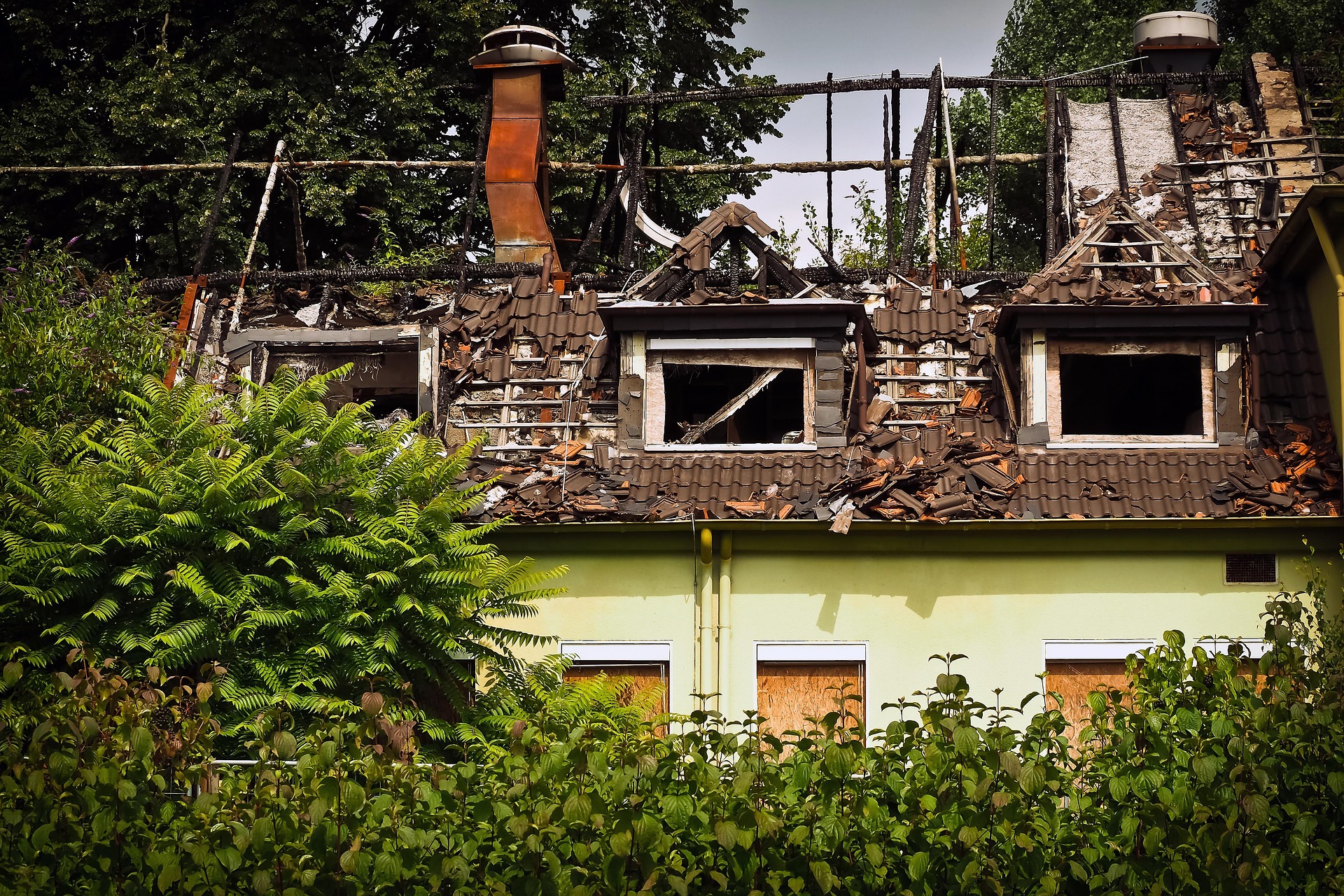
Selling a fire-damaged property can feel overwhelming, but with the right strategy, you can still get a solid return on your investment. Many homeowners assume that burned homes have little to no value, but this is far from the truth. House buyers for damaged homes are interested in properties just like these and often see potential where others don’t. If you’ve recently found yourself in a position where you need to sell a house that has suffered fire damage, there are effective ways to maximize the selling price. Below are some smart tips that can make a huge difference.
Get a Professional Assessment of the Damage
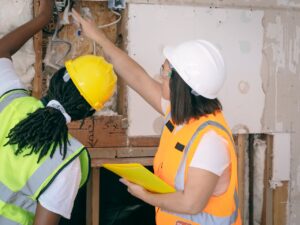 Before putting your home on the market, it’s essential to understand the full extent of the fire damage. A certified inspector or contractor can provide a detailed report outlining the structural issues, smoke damage, and areas requiring repair. This assessment allows you to have a clear picture of what buyers are likely to negotiate over. Even if you don’t plan to fix every issue, having this information upfront makes you better prepared to price your property realistically while still showing transparency to buyers.
Make Key Repairs That Add Value
You don’t need to restore the entire house to sell it, but addressing a few critical issues can dramatically increase buyer interest. Simple steps like replacing damaged drywall, repainting, and ensuring electrical systems are safe can help shift a potential buyer’s perspective from “tear-down” to “fixer-upper with promise.” Spending money wisely on high-impact repairs—especially on safety-related issues—signals that the home still has strong potential, which boosts your final selling price.
Be Honest in Your Listing and Marketing
Hiding fire damage will only lead to legal trouble and lost trust. Instead, highlight the property’s potential honestly while being upfront about its challenges. Some buyers—particularly investors—specifically look for houses with prior fire damage because they can purchase them at a lower price and invest in renovations for resale or rental. Your marketing should focus on the opportunity side of the equation, such as the home’s location, lot size, and ability to be restored. Presenting the home as a smart investment project rather than just a burned property helps you attract the right audience.
Work With Buyers Who Specialize in Fire-Damaged Properties
Traditional homebuyers often shy away from fire-damaged homes due to the cost and stress of repairs. That’s why targeting investors and specialized buyers can be more effective. Many companies and independent investors actively purchase burned houses as-is because they know how to handle the restoration process cost-effectively. This is where linking up with professionals who buy damaged homes can save you time, reduce stress, and get you a fair price without endless negotiations or waiting months for a conventional buyer.
Price the Property Strategically

One of the most common mistakes sellers make is overpricing or underpricing a burned home. If you price too high, you’ll drive buyers away. Price too low, and you’ll miss out on money that could have been yours. Use the professional damage assessment and repair estimates to determine a realistic price range. Compare similar properties in your area, then adjust based on the extent of the fire damage. Striking the right balance shows buyers that you’ve done your homework and are serious about selling, which encourages fair offers.
Selling a burned house doesn’t have to mean accepting a bargain-bin price. By getting a professional damage assessment, making selective repairs, being honest in your listing, targeting specialized buyers, and pricing strategically, you can attract serious interest and achieve a better return than you may expect. With the right approach, what might feel like a setback can become a profitable opportunity.…